
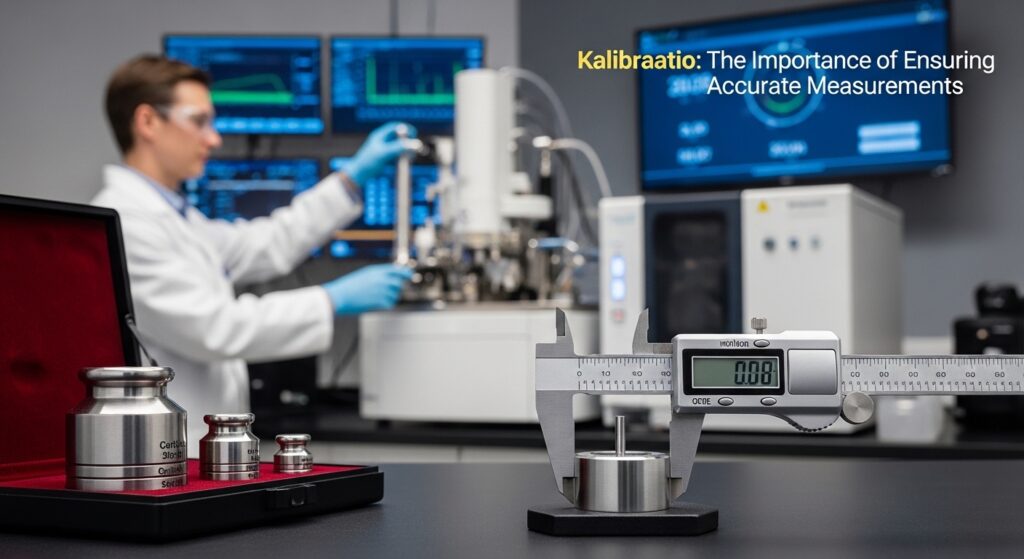
Kalibraatio, or calibration, might not be a term that rolls off the tongue easily, but its significance is hard to overstate. Imagine relying on tools and instruments that provide faulty readings; the consequences could range from minor inconveniences to serious safety hazards. In both industrial settings and everyday life, accurate measurements are crucial for achieving desired outcomes.
Whether you’re an engineer fine-tuning machinery or a chef measuring ingredients with precision, understanding kalibraatio can make all the difference. This blog post will dive deep into the history of calibration, explore why it’s essential for accuracy, and provide insights into how often you should calibrate your devices. Join us as we unravel the intricacies of ensuring that measurements remain trustworthy and reliable in every aspect of our lives.
The History of Calibration
The history of calibration traces back to ancient civilizations. Early scientists and craftsmen developed basic measurement systems for trade, construction, and astronomy. These initial methods relied heavily on natural standards.
As societies evolved, so did the need for kalibraatio precision. The Greeks introduced more structured units of measure, which laid foundational principles in geometry and mathematics.
During the Industrial Revolution, accurate measurements became vital for manufacturing processes. This period saw the introduction of standardized tools that required regular calibration to ensure consistent quality.
In modern times, advancements in technology have transformed calibration practices. Sophisticated instruments now utilize digital systems for enhanced accuracy and efficiency.
Today’s industries demand rigorous calibration protocols across various fields— from healthcare to aerospace—to maintain safety and compliance with international standards. The evolution continues as we strive for even greater precision in an increasingly complex world.
The Importance of Accurate Measurements
Accurate measurements are the backbone of many industries. From manufacturing to healthcare, precision is crucial. Even a minor error can lead to significant consequences.
In engineering, precise measurements ensure that components fit together correctly. A small miscalculation might result in machinery failure or safety hazards.
In laboratories, accuracy impacts research outcomes and product development. Scientists rely on exact data for valid results and reliable conclusions.
Healthcare professionals depend on accurate kalibraatio readings for diagnostics and treatment plans. Miscalculations could compromise patient safety and effectiveness of therapies.
Moreover, businesses thrive on consistency driven by precision measurement systems. Quality control hinges on ensuring that products meet specified standards without deviation.
Investing in proper calibration processes helps maintain this accuracy, reducing risks associated with errors along the way. Prioritizing accurate measurements fosters trust among stakeholders across various sectors.
Common Tools and Instruments That Require Calibration
Many tools and instruments are essential in various industries, each requiring calibration to maintain accuracy.
Measuring devices like thermometers and pressure gauges often top the list. These instruments ensure that temperature and pressure readings remain precise, which is critical in manufacturing and healthcare settings.
Laboratory balances also demand careful calibration. Accurate weight measurements can affect research results or product quality. Regular checks help avoid costly errors.
In construction, laser levels play a vital role in ensuring structures are built straight and true. Calibration ensures that these levels provide reliable guidance throughout projects.
Other common tools include multimeters used by electricians to measure voltage, current, and resistance accurately. Without proper calibration, they risk faulty electrical installations.
Medical devices such as blood glucose meters kalibraatio require strict adherence to calibration protocols for accurate patient monitoring. Precision here can significantly impact health outcomes.
How Often Should Calibration Be Done?
Calibration frequency can vary significantly depending on the type of equipment and its usage. Instruments subjected to harsh conditions or heavy use may need calibration more frequently than those in controlled environments.
In general, a good rule of thumb is to calibrate annually. However, industries such as pharmaceuticals or aerospace might require quarterly checks due to strict regulations.
It’s also wise to establish a calibration schedule based on manufacturer recommendations. Keeping track of performance trends can provide insights into when recalibration becomes necessary.
Some organizations implement a risk-based approach, adjusting their calibration intervals according to specific operational requirements and historical data.
Maintaining accuracy should be your primary focus. Regular assessments ensure that measurements remain reliable and compliant with industry standards.
Understanding the Calibration Process
Calibration is a systematic process that ensures measuring instruments produce accurate and reliable results. It typically involves comparing the instrument’s output against a known standard.
First, technicians select calibration standards that are traceable to national or international measurement systems. This guarantees robustness in the accuracy of measurements.
Next, they take readings from the instrument in question under controlled conditions. These readings are then analyzed and compared with the established standards.
If discrepancies arise, adjustments may be made to align the instrument’s performance with accepted values. After adjustments, additional tests confirm improvements have been achieved.
Documentation plays a crucial role throughout this process. Each step must be recorded for future reference and compliance purposes.
Regular evaluations help maintain consistency over time, ensuring measurements remain precise as conditions change or equipment ages.
Benefits of Regular Calibration
Regular calibration offers numerous advantages that can significantly enhance operational efficiency. One of the most notable benefits is improved accuracy. Accurate measurements ensure that products meet quality standards and specifications, reducing the risk of errors.
Another key advantage is cost savings. By identifying kalibraatio discrepancies early, businesses can prevent costly mistakes in production or testing processes. This helps minimize waste and rework costs.
Moreover, regular calibration enhances safety. In industries where precision is critical—like pharmaceuticals or food manufacturing—calibrated instruments help maintain compliance with health regulations.
Also worth mentioning is the boost to customer trust and satisfaction. Consistent quality builds a strong reputation, reinforcing client confidence in your products or services.
Frequent calibration prolongs equipment lifespan by ensuring tools operate within their specified limits. This proactive approach reduces wear and tear, saving on replacement expenses over time.
Choosing a Reliable Calibration Service Provider
Selecting a reliable calibration service provider is crucial for maintaining precision in measurements. Start by researching companies with a solid reputation in the industry. Look for certifications and accreditations that demonstrate their expertise.
Customer reviews can offer insights into the quality of service you can expect. Positive feedback often indicates reliability and consistency in their processes.
Consider their range of services too. A versatile provider should handle various types of instruments across different sectors, from industrial to laboratory needs.
Evaluate their turnaround times as well. Fast yet meticulous service ensures your operations remain uninterrupted while maintaining accuracy.
Don’t hesitate to ask questions about their calibration methods and equipment used. Transparency is key to building trust in any professional relationship regarding measurement standards and practices.
Conclusion
Kalibraatio is more than a technical term; it’s an essential process that impacts various industries and everyday life. The history of calibration reveals its evolution from basic measuring techniques to advanced methodologies that ensure precision. Accurate measurements are critical for safety, compliance, and efficiency in fields ranging from healthcare to manufacturing.
Common tools like weighing scales, pressure gauges, and thermometers all require proper calibration to function correctly. Regular checks help maintain their accuracy and reliability. How often you should calibrate these instruments depends on usage frequency and manufacturer recommendations.
Understanding the calibration process can demystify it for many. It typically involves comparing measurements against standard references under controlled conditions to identify discrepancies. Benefits include improved quality control, enhanced product consistency, and reduced risk of errors.
Choosing the right calibration service provider is crucial as well. Look for certifications that demonstrate expertise in your specific industry needs along with positive reviews from other clients.
Ensuring regular kalibraatio protects investments while promoting trustworthiness across your operations or projects. By prioritizing accurate measurements today, you’re setting yourself up for success tomorrow.